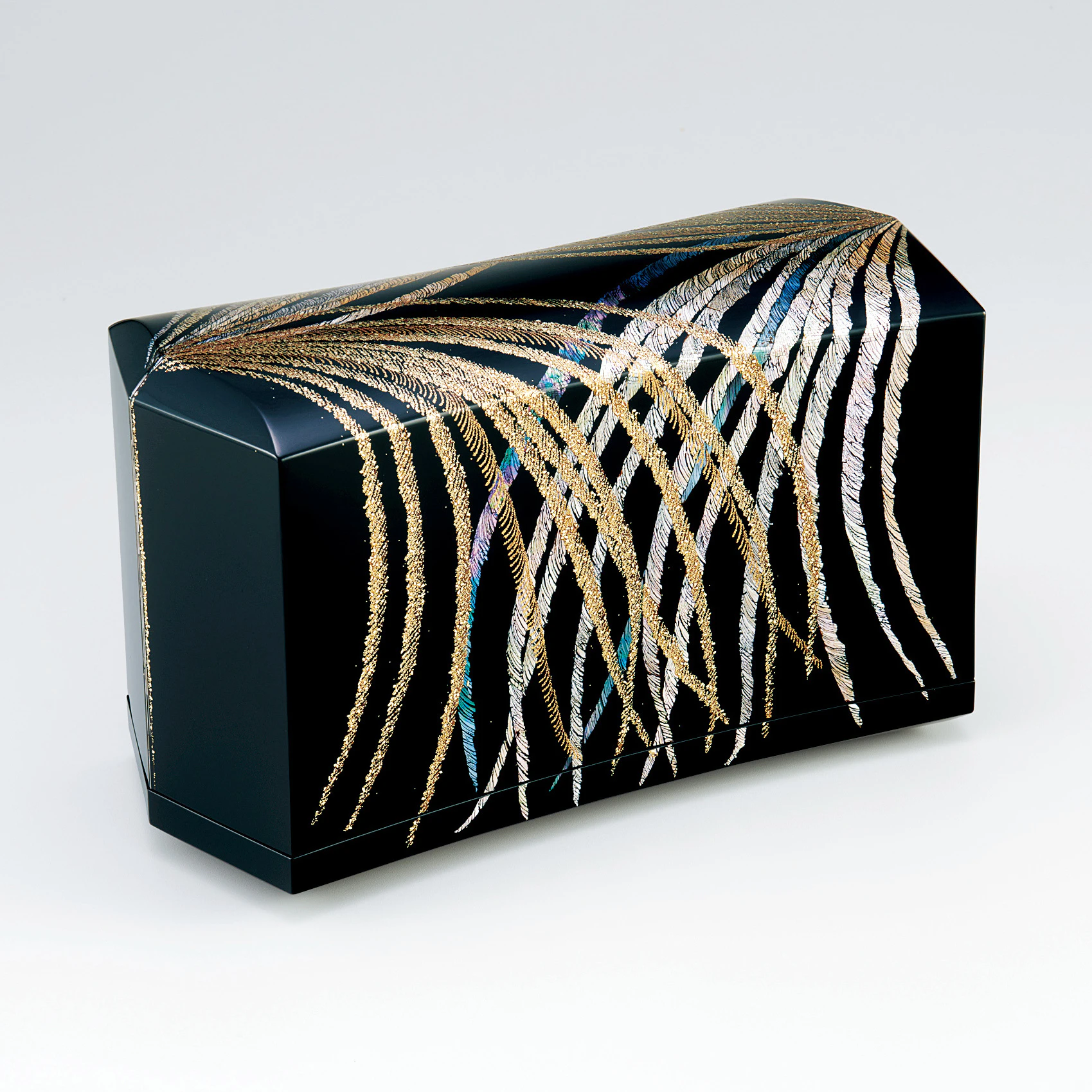
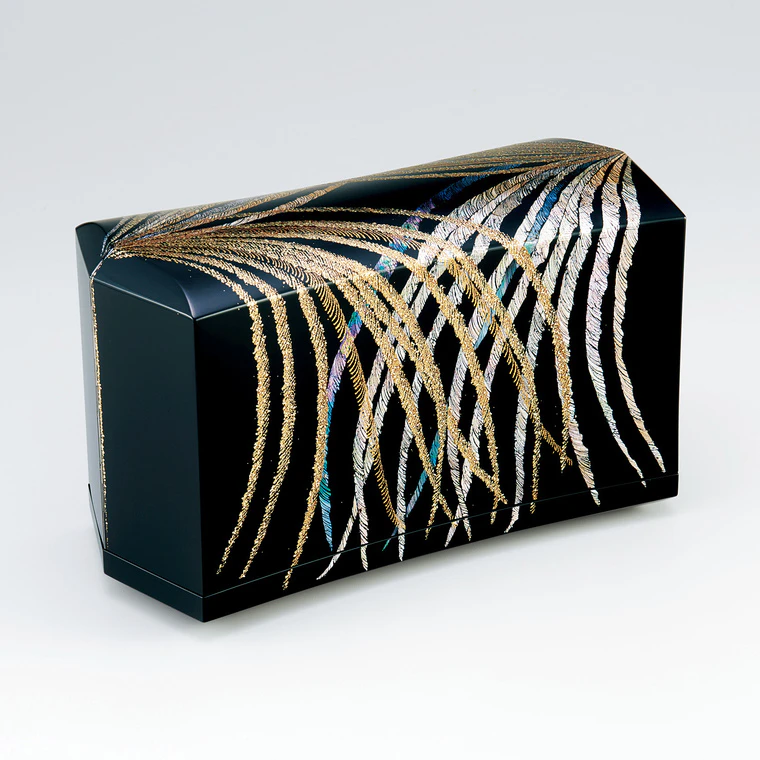
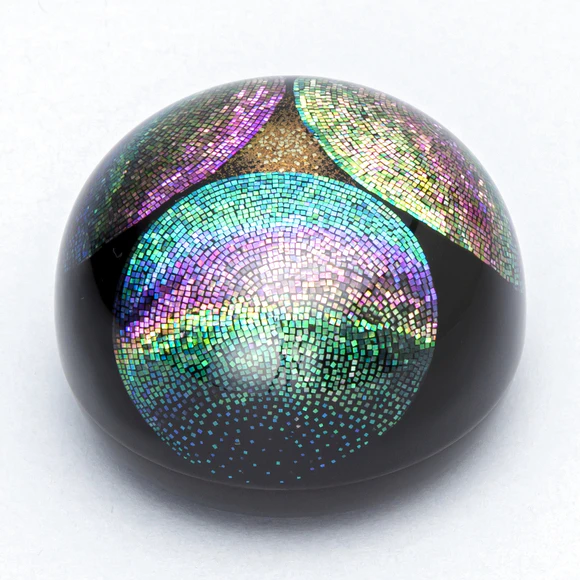
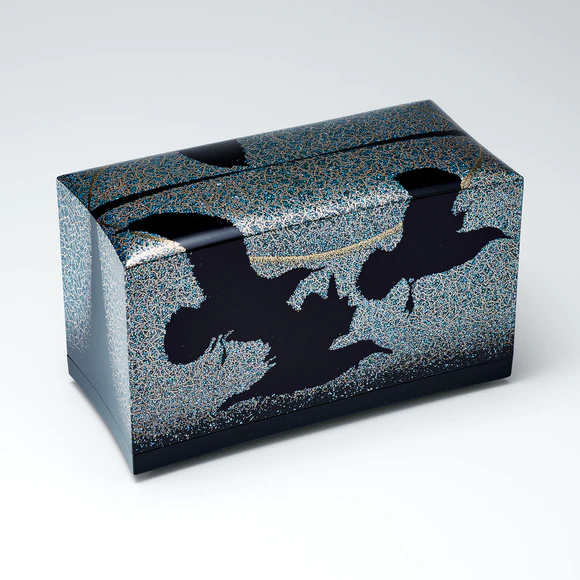
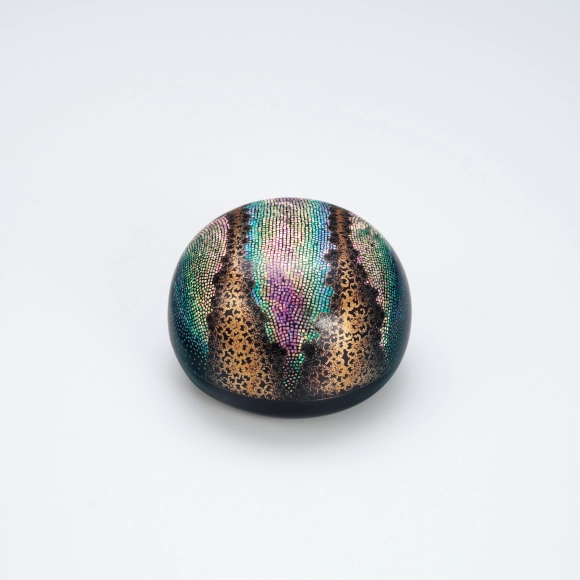
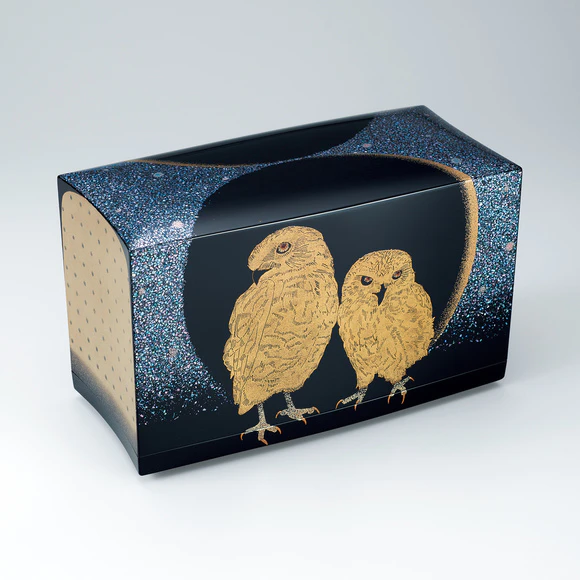
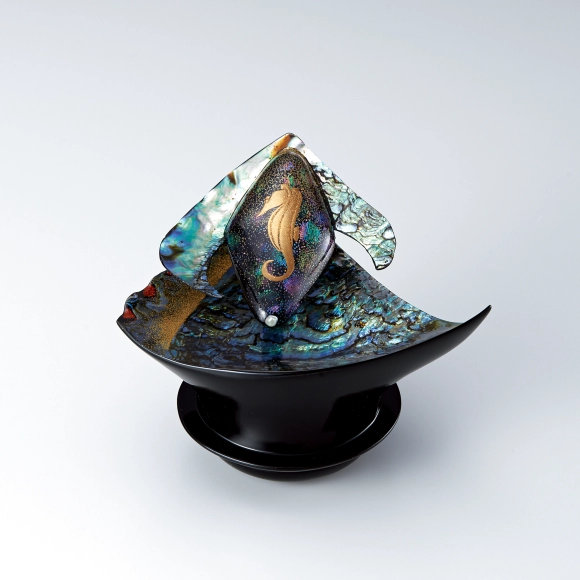
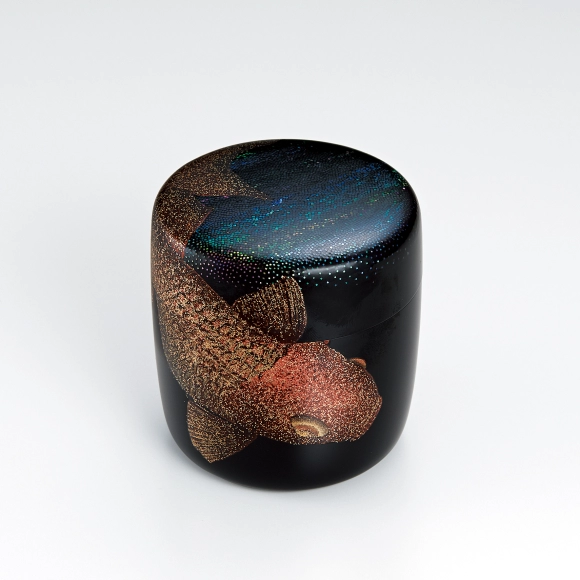
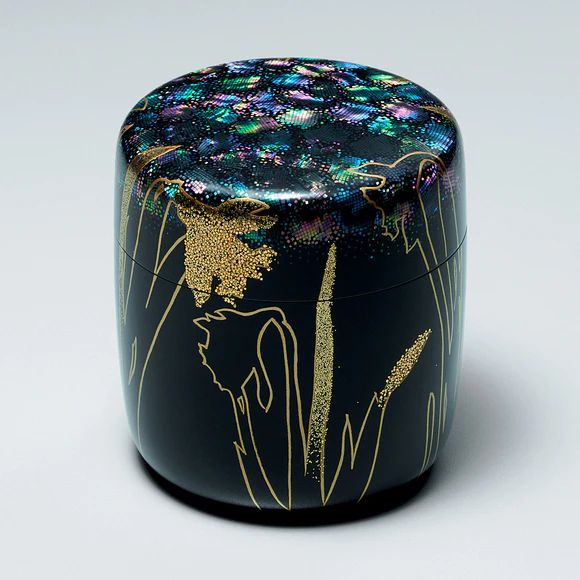
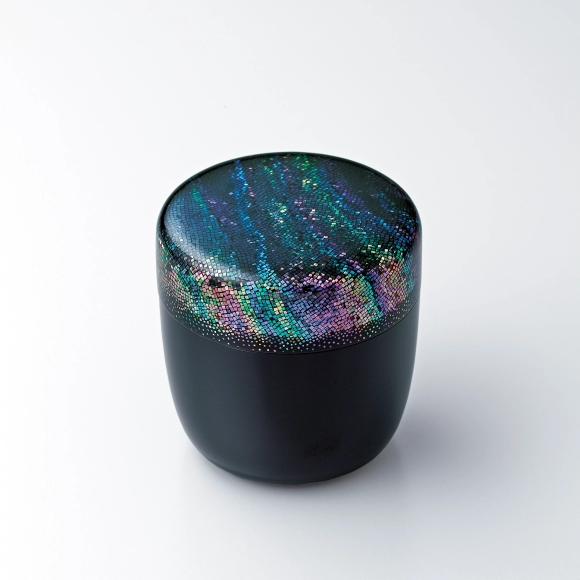
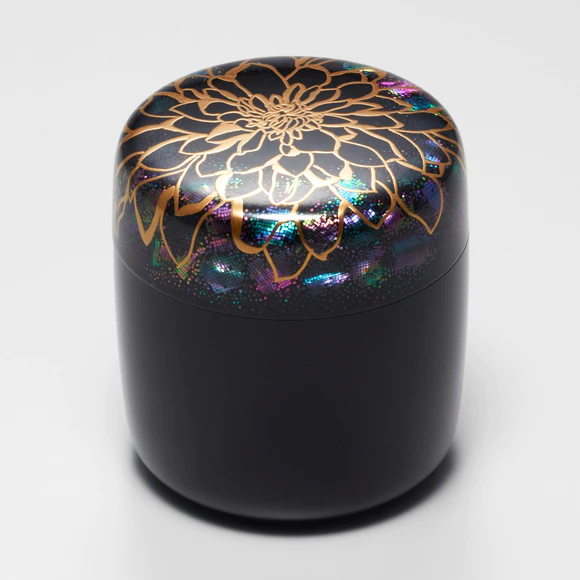
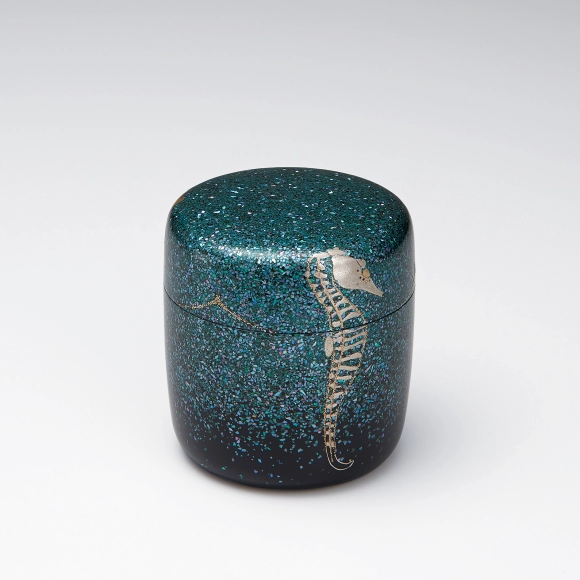
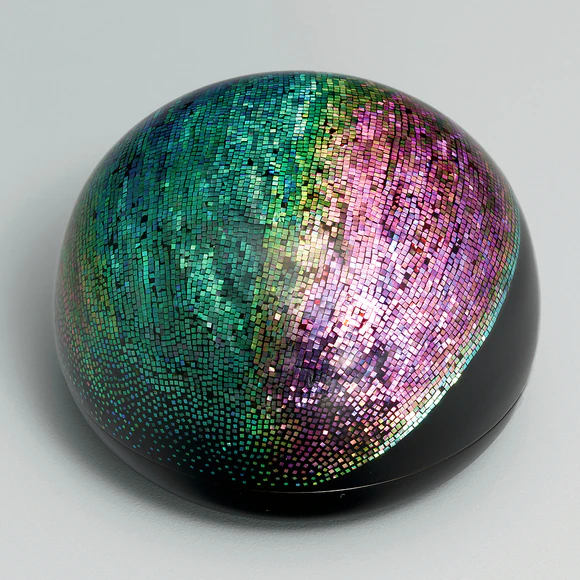
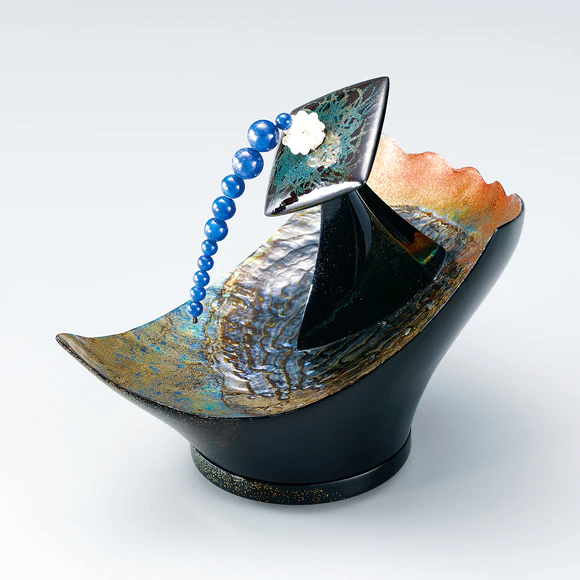
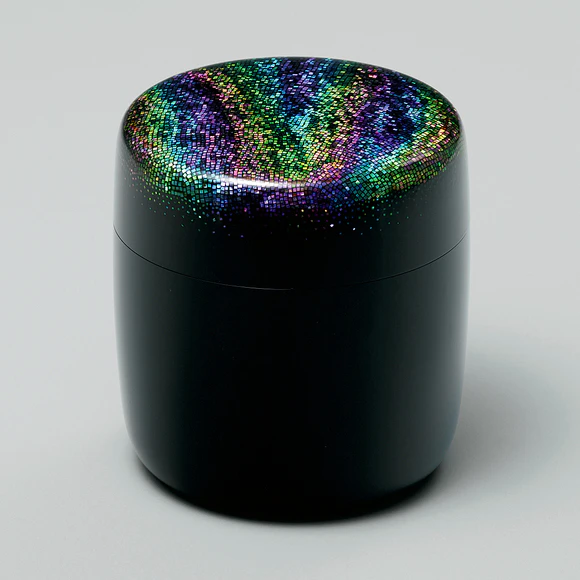
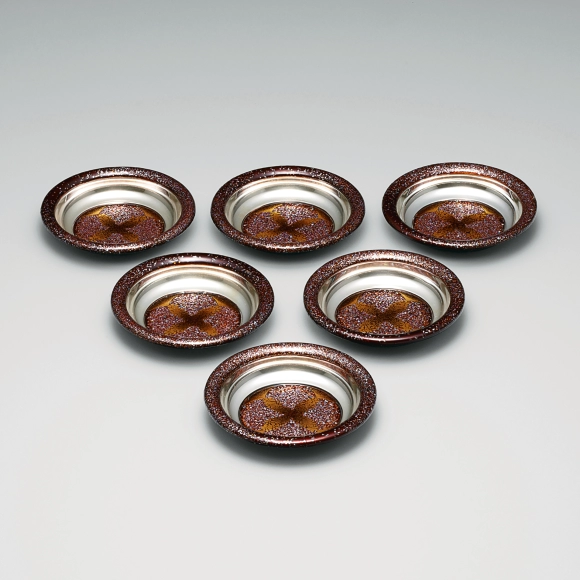
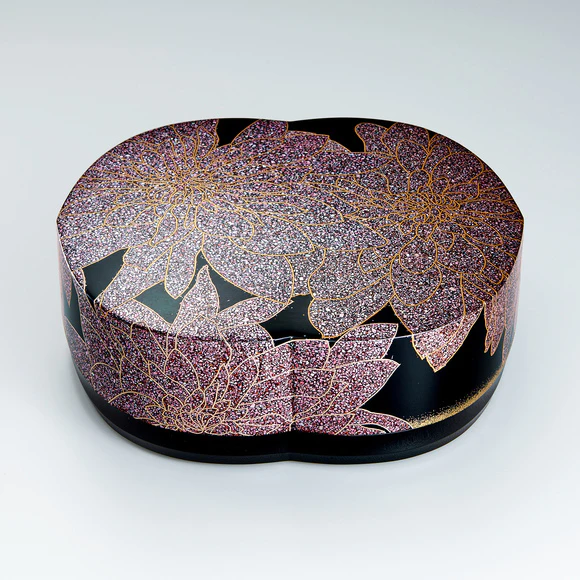
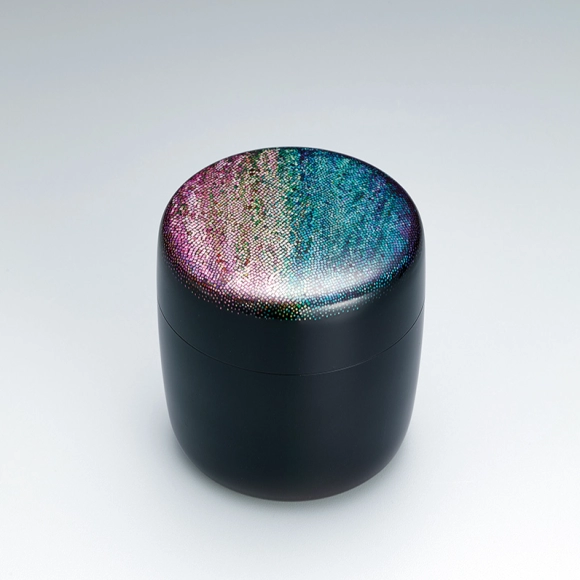
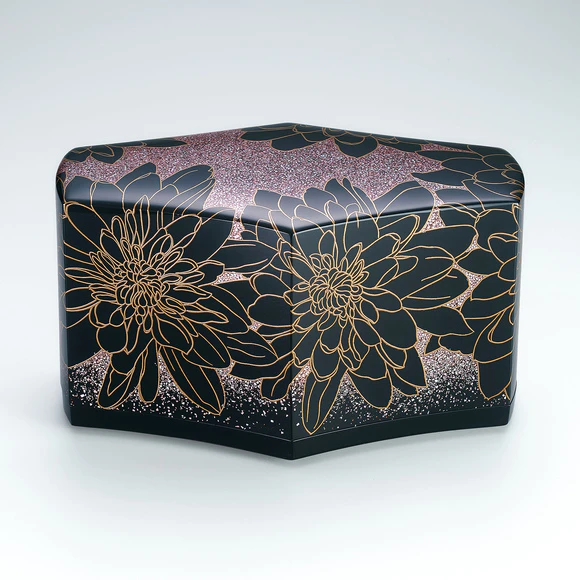
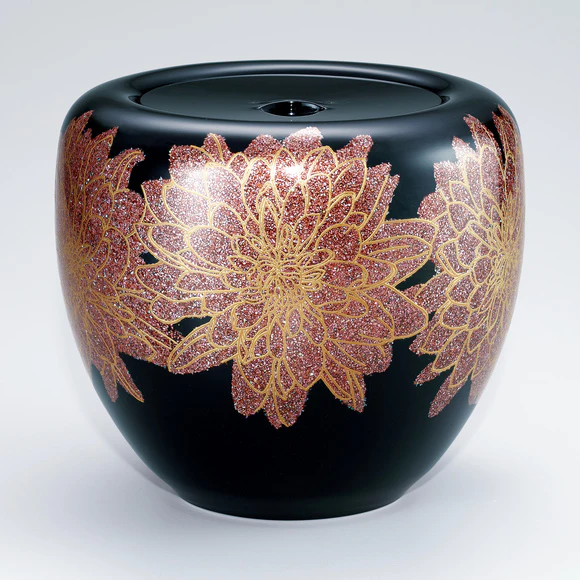
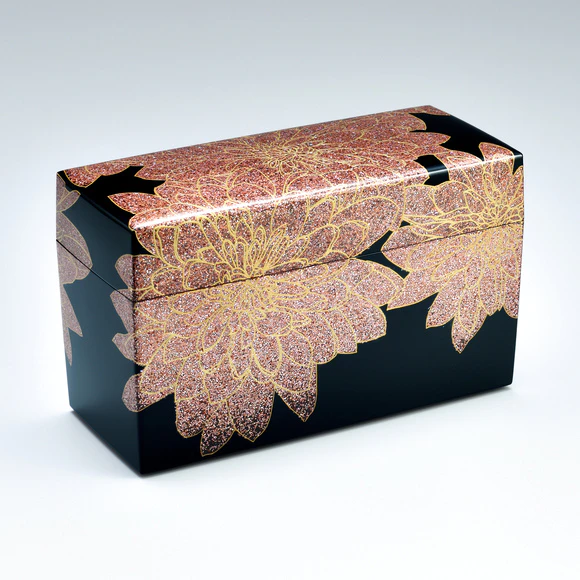
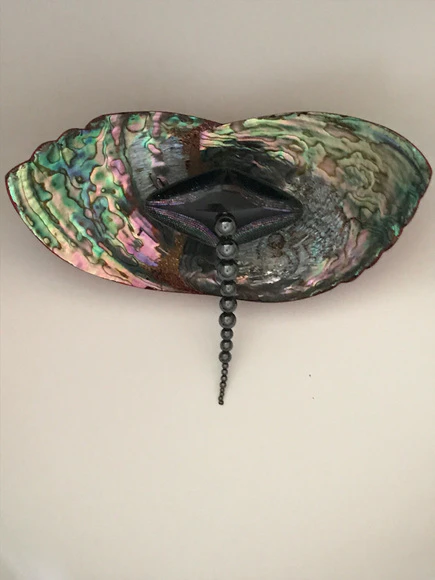
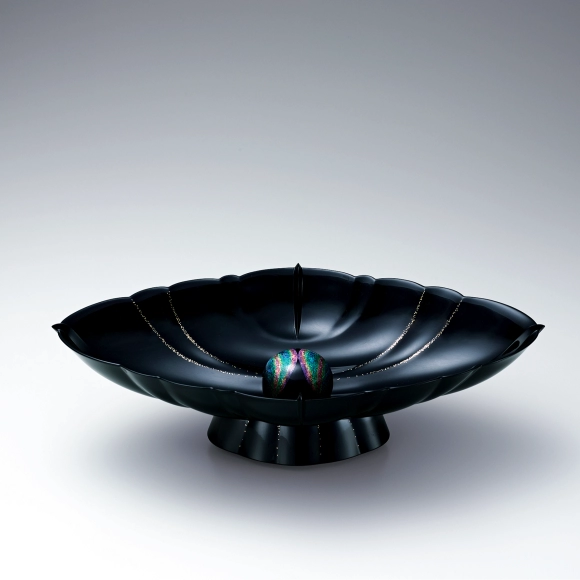
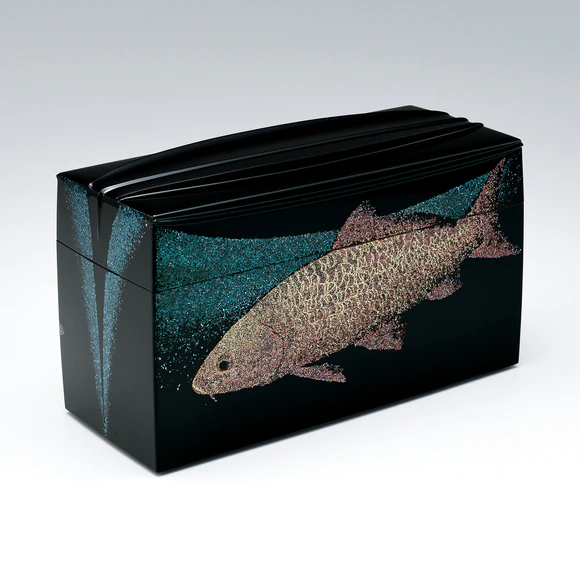
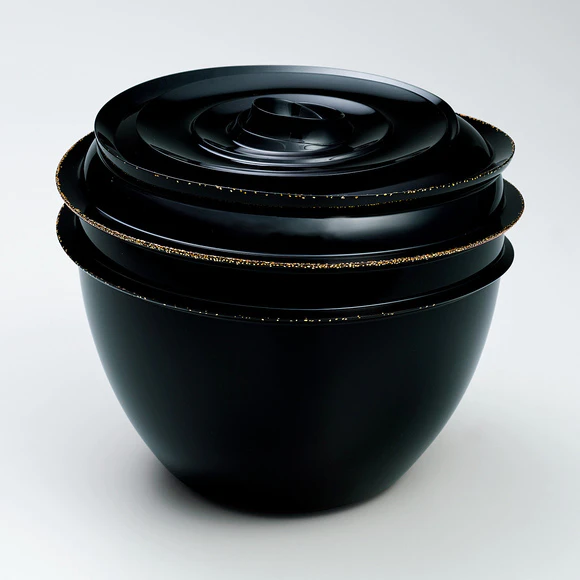
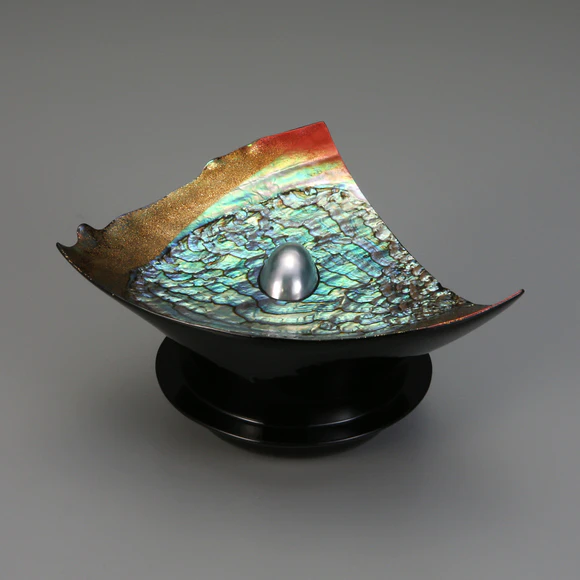
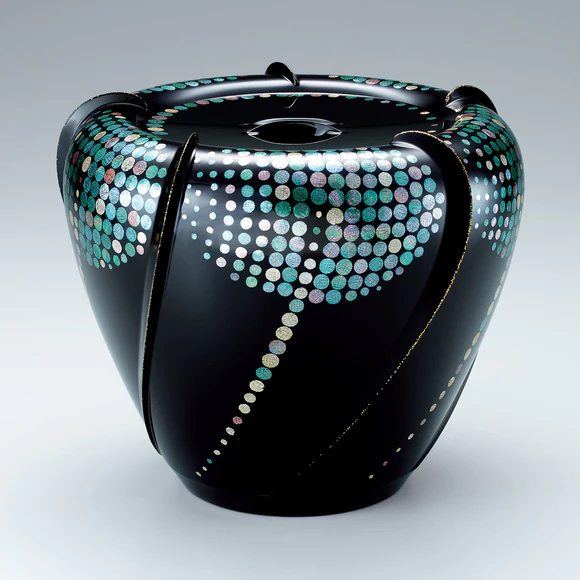
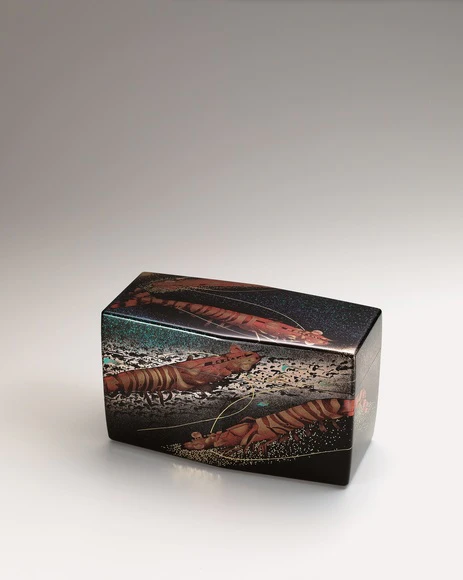
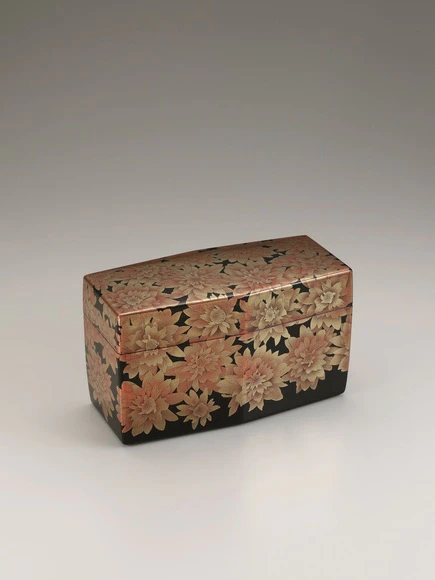
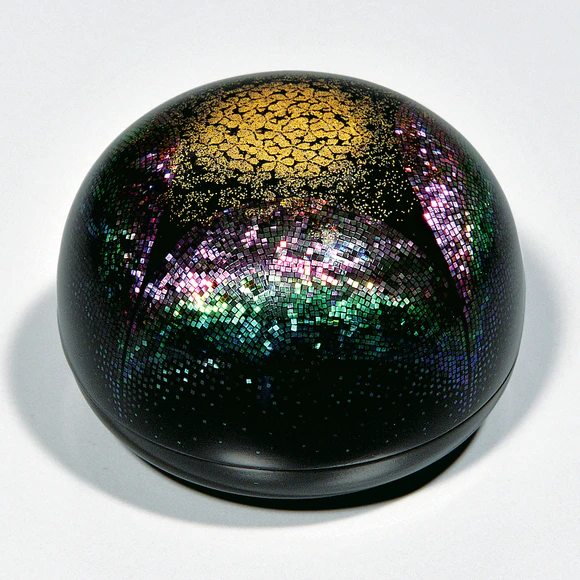
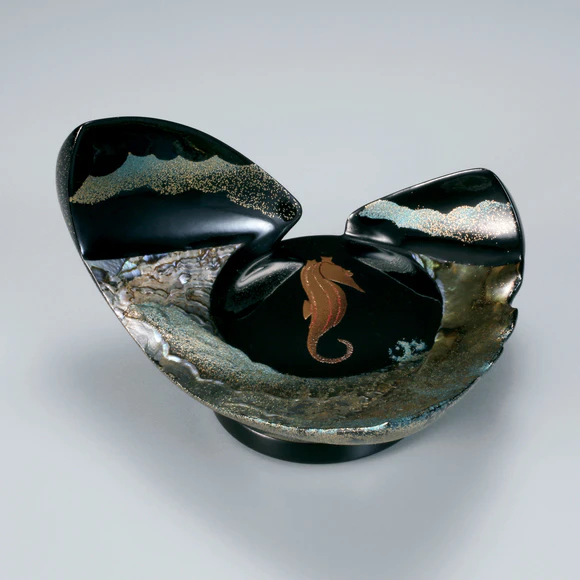
乾漆割貝蒔絵飾箱「芒」
H 17.6 x W 30.8 x D 14.0 cm,Year.2026Yoshiaki Taguchi
1958 -- Lacquerware
- Public Collections : Tokyo National Museum etc.
- Price Range Please Inquire
Description
-
CategoryLacquerware
-
DimensionsH 17.6 x W 30.8 x D 14.0 cm
-
Year presented2026
-
RarityUnique
Techniques Used
Dry lacquer
For works of dry lacquer (kanshitsu), first a clay form is created and plaster is used to take a mold of the form. Next, repeated layers of hemp cloth and lacquer are applied to the mold until they are built up to the desired thickness. Finally, the mold is removed and additional coats of lacquer are applied to finish the piece. The hemp fibers are strengthened when the lacquer bonds with them, making dry lacquer an excellent technique for creating sturdy forms with a significant degree of freedom.
Maki-e
Maki-e (literally “sprinkled pictures”) is a representative lacquerware technique that originated in Japan around 1,200 years ago. Maki-e is done by painting lacquer motifs on the surface of a piece using a fine brush and then sprinkling gold powder onto the lacquer before it hardens, producing luxurious decorations.
Selected exhibitions
- The 73rd Japan Traditional Kōgei Exhibition (2026)
- Selected