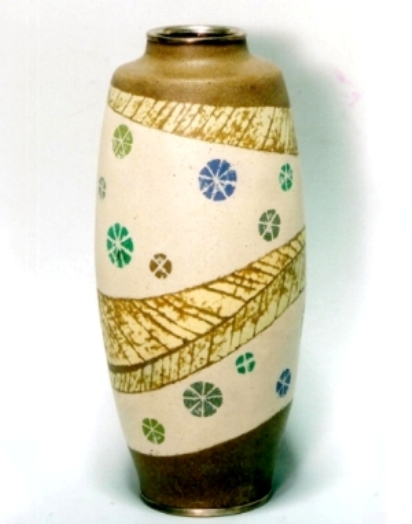
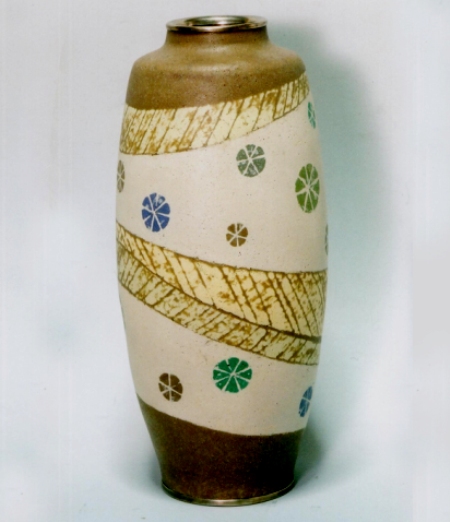
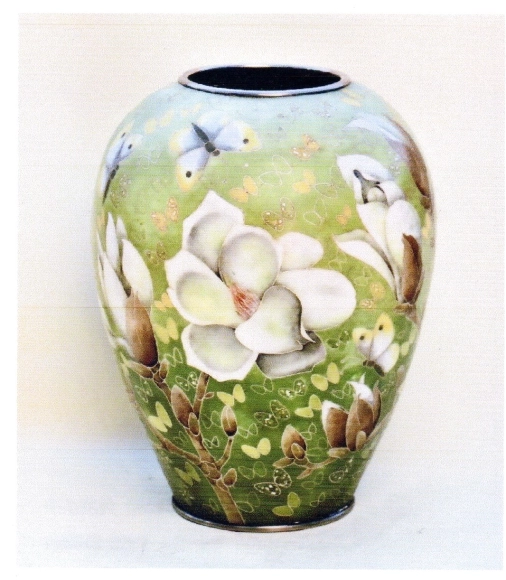
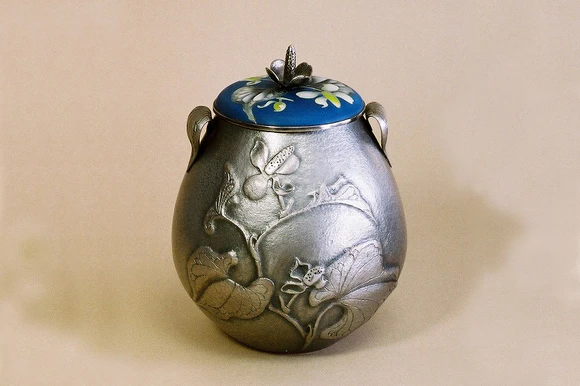
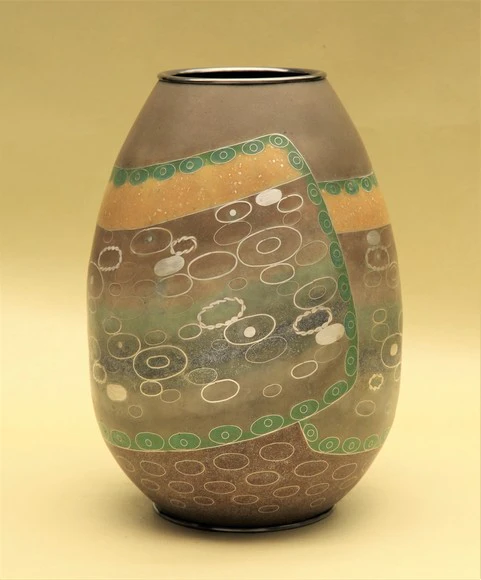
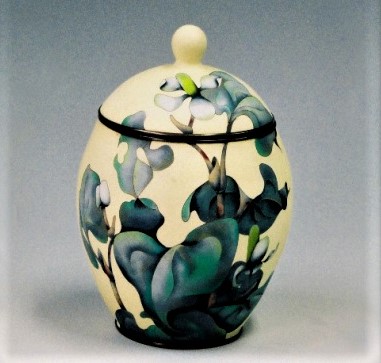
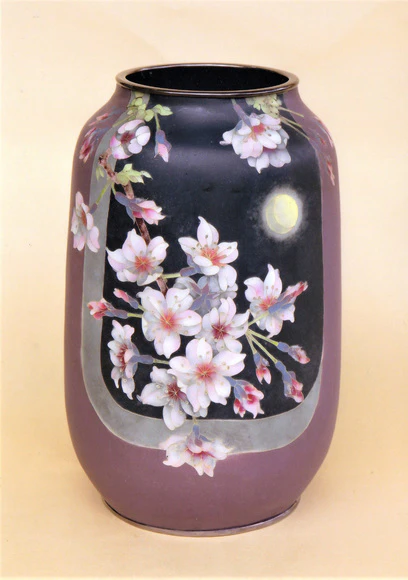
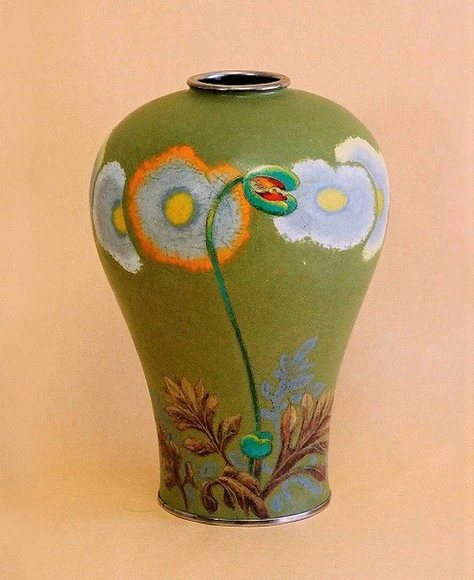
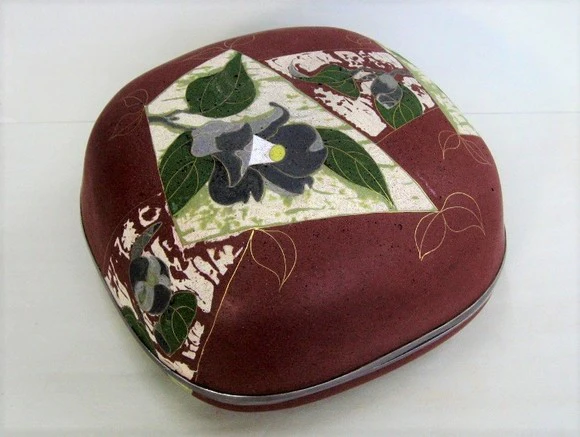
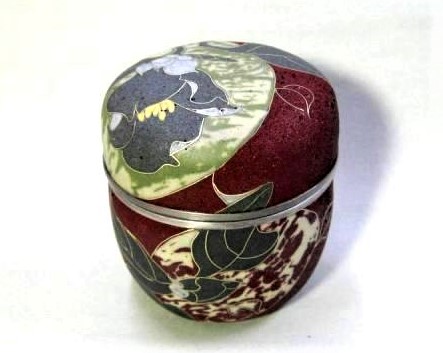
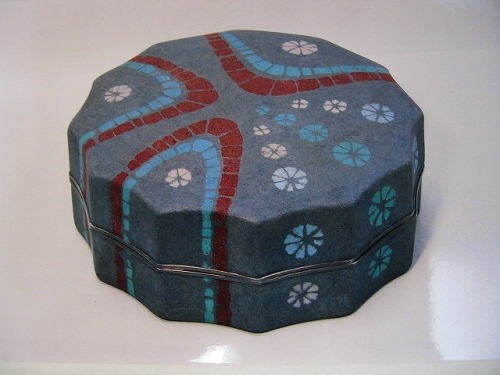
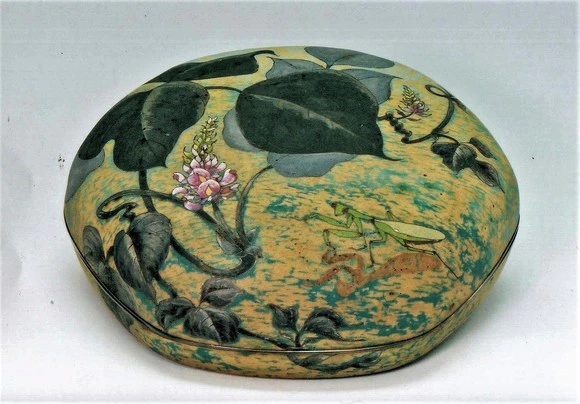
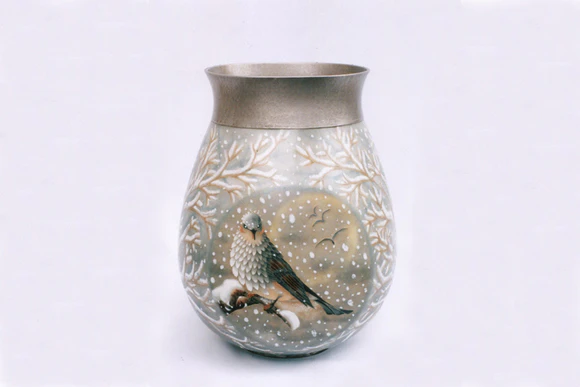
Opaque Cloisonné Flower Patterned Vase
H 23.0 x W 11.0 cm- Cloisonné enamel work
- Awarded once at the Japan Kōgei Assoc. Exhibition
- Price Range Please Inquire
About the Artwork
What is "Muddy" Cloisonné?
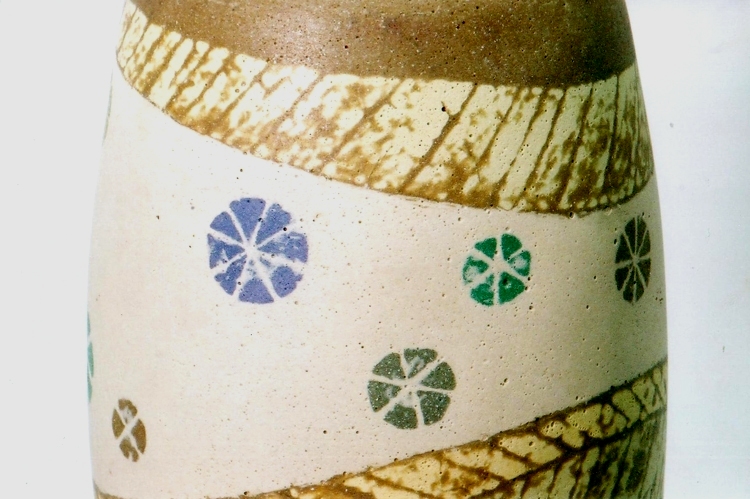
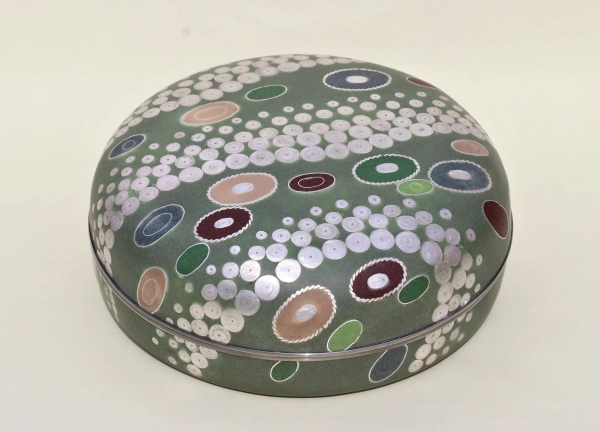
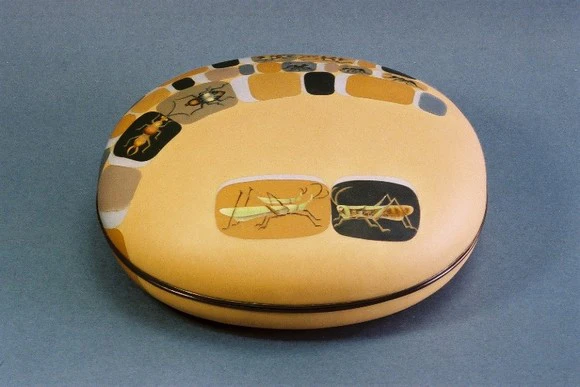
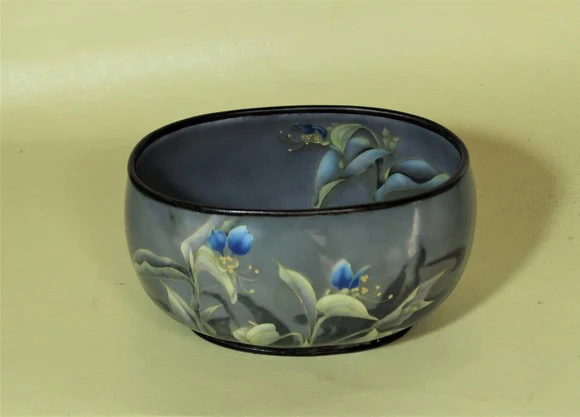
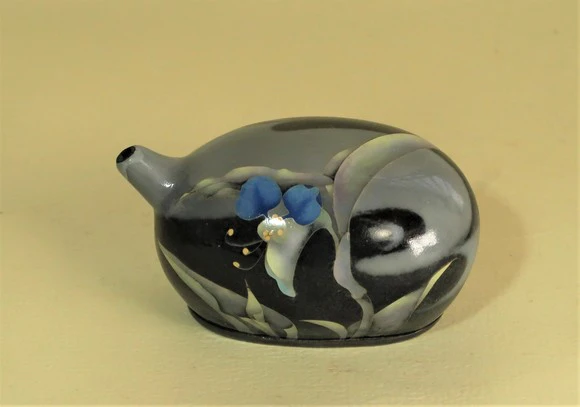
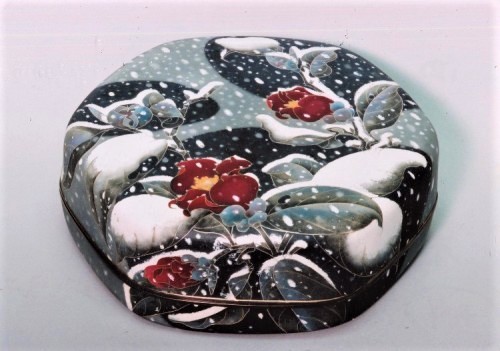
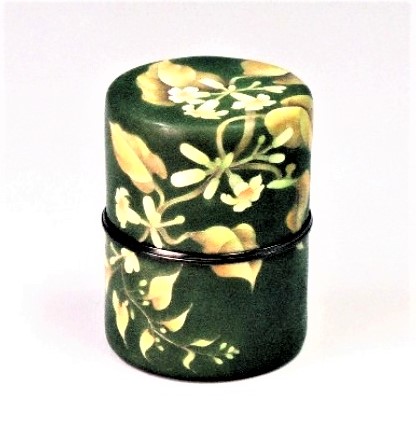
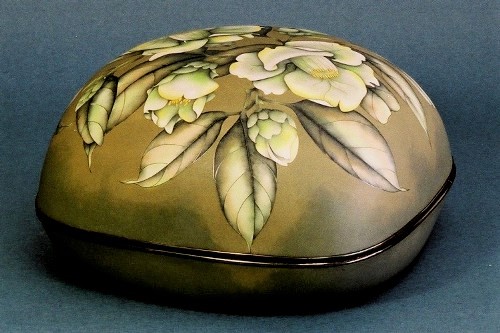
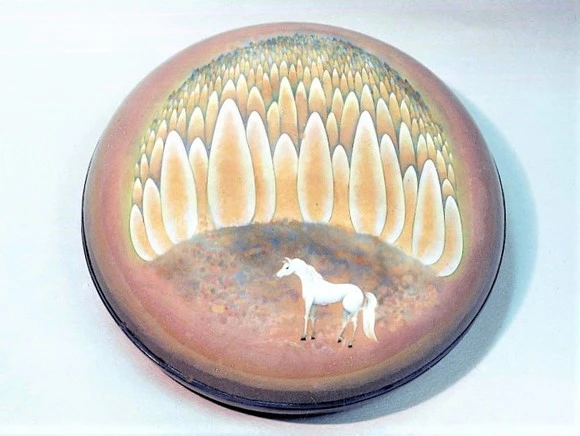
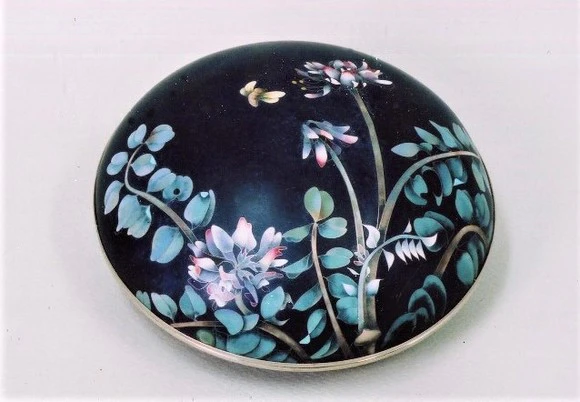
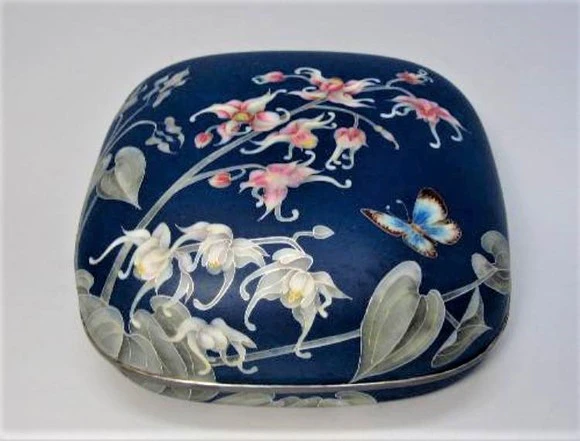
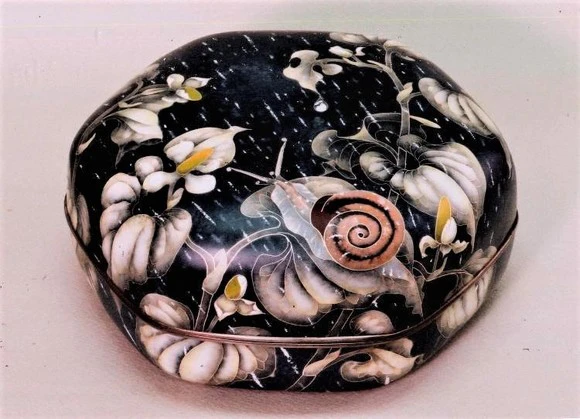
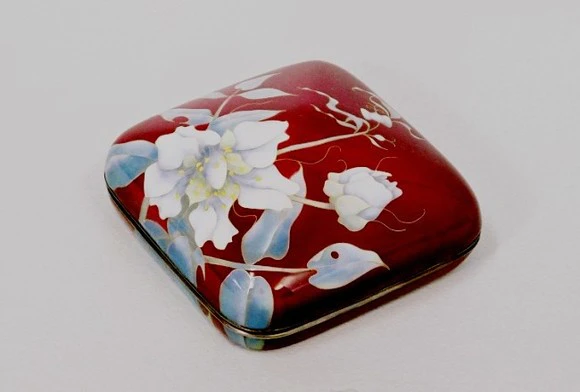
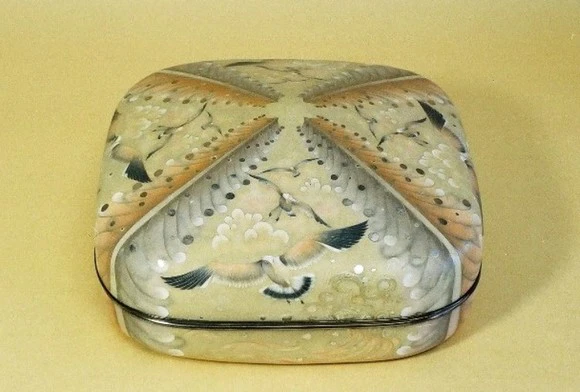
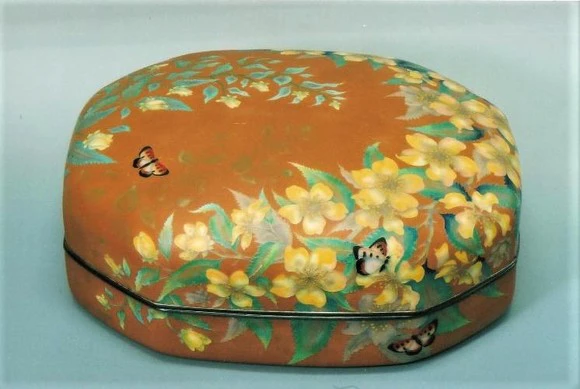
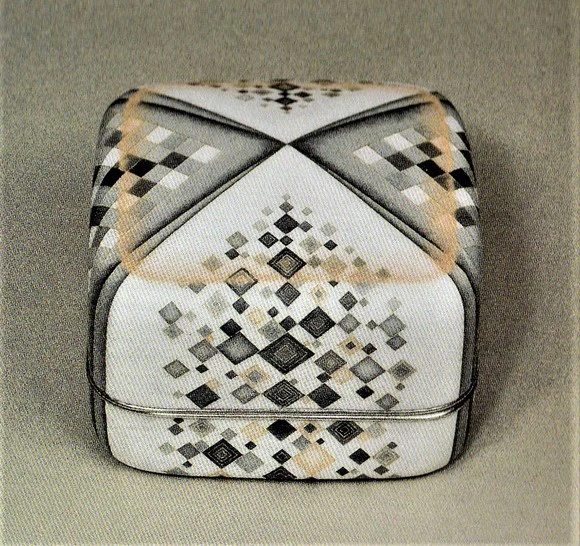
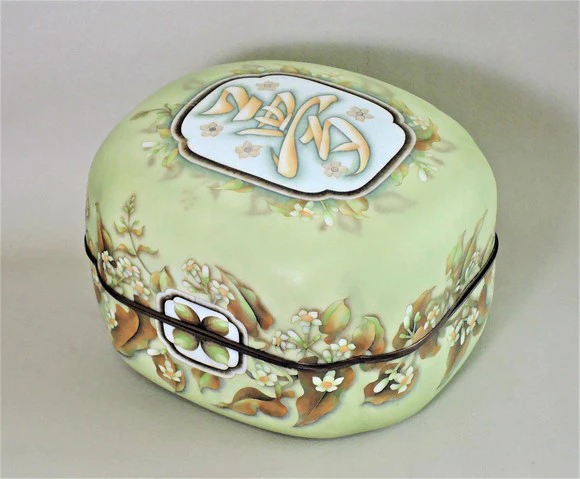
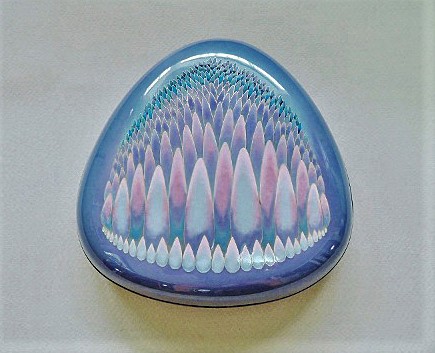
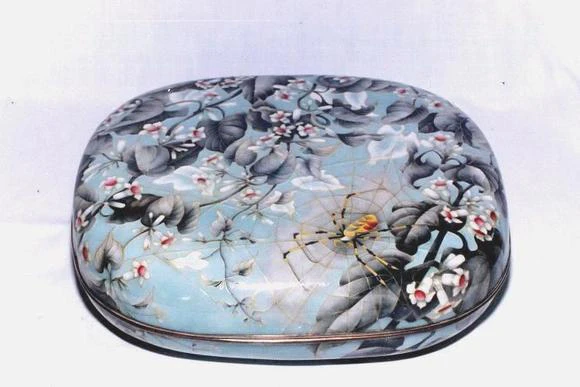
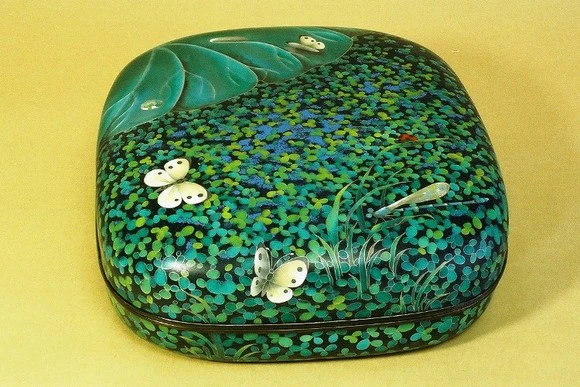
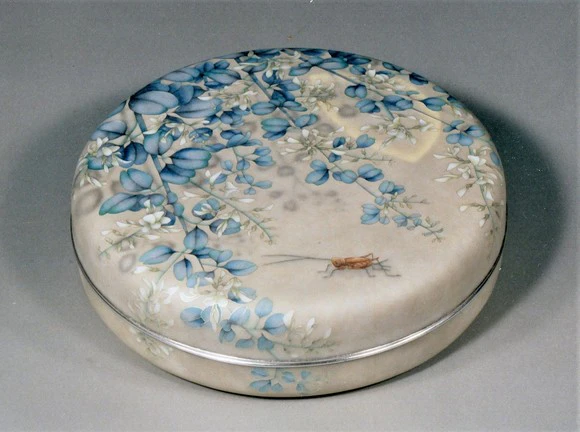
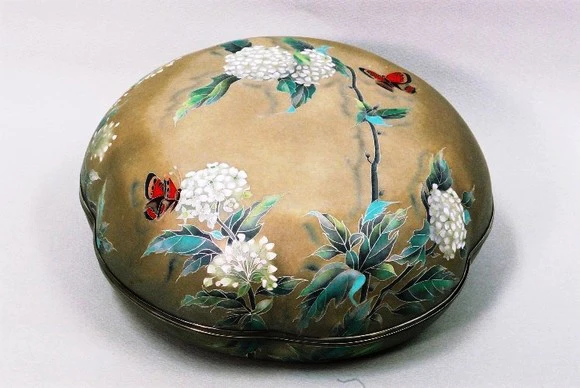
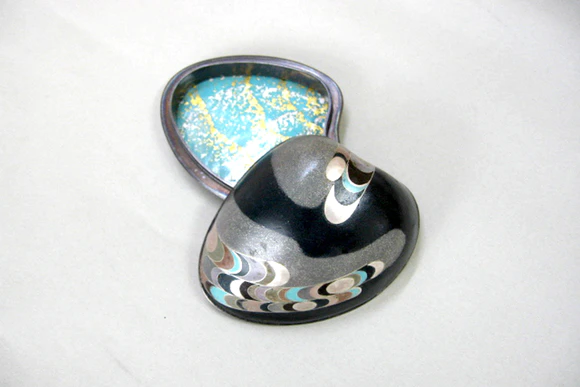
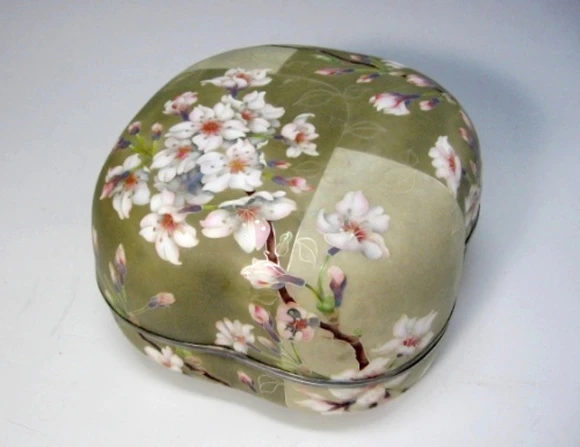
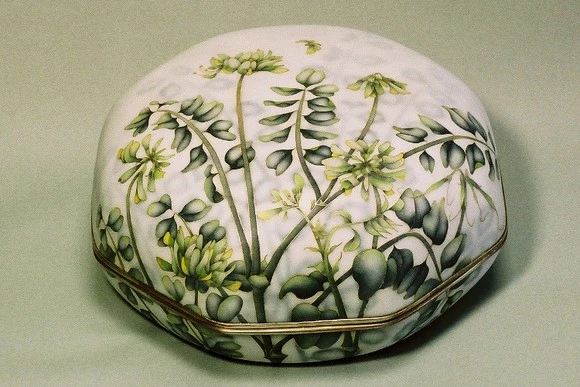
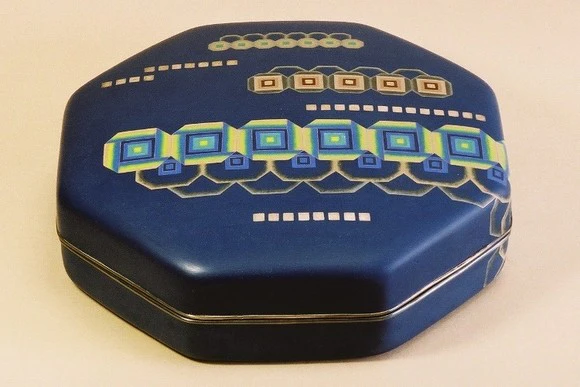
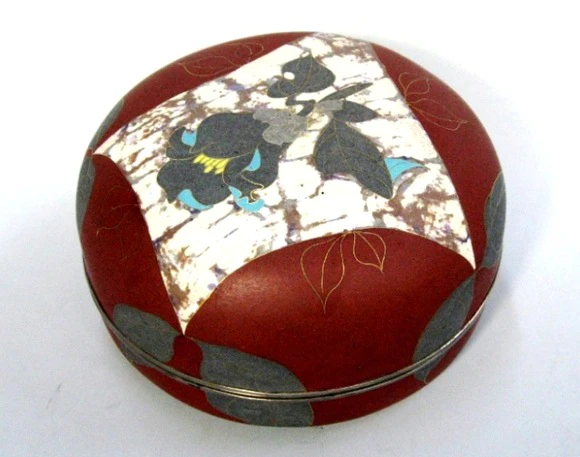
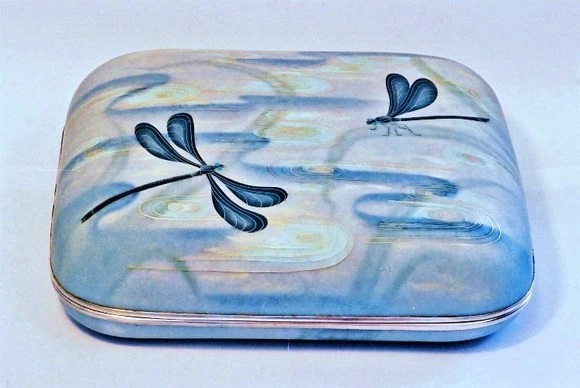
Muddy cloisonné is a distinctive form of cloisonné enamel made from a specially formulated blend of traditional ceramic glaze materials—including shiratama (white glass powder), tochi (porcelain clay), and Hinooka silica—combined with mineral pigments. The result is an opaque surface with a texture reminiscent of pottery.
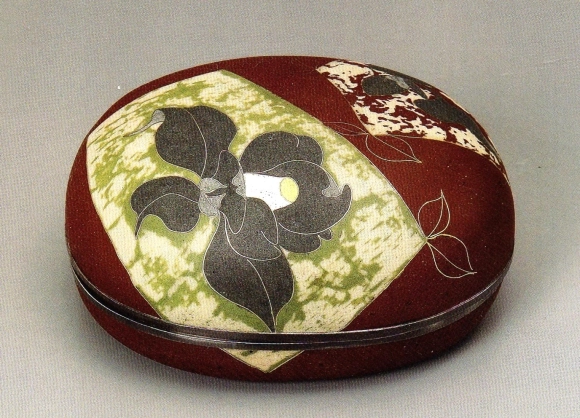
Lower firing temperatures tend to produce more subdued colors. In this technique, however, the enamel is fired at 830°C to bring out the vividness and depth of the pigments. Although a small number of artists work with muddy cloisonné, many use lower firing temperatures. Fine brass wire is used to define the outlines of the design.
The Challenge of “Wireless Muddy Cloisonné”: Lines That Emerge Without Wires
In experimenting with wireless muddy cloisonné, the artist made an unexpected discovery: lines could emerge naturally even in the absence of cloisonné wires.
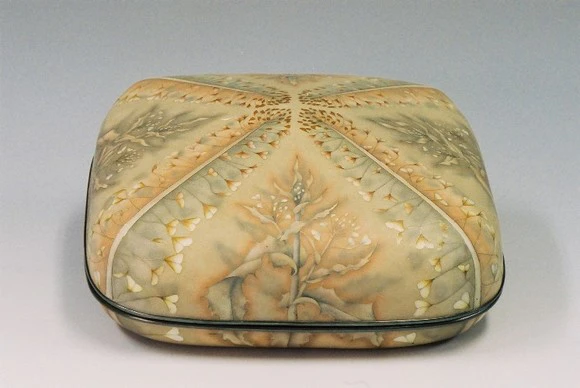
Without metal wires to define the boundaries between areas of enamel, fine, irregular crackle patterns can form along the edges, creating motifs with a remarkably soft and delicate appearance. This effect was discovered by chance during experimental firings.
Currently, there is only one artist capable of executing this rare technique. It is a breathtaking breakthrough—one so remarkable that it is truly worth dedicating an entire artistic career to the pursuit of "Wireless Muddy Cloisonné."
Description
-
CategoryCloisonné enamel work
-
DimensionsH 23.0 x W 11.0 cm
Techniques Used
“Muddy” cloisonné
An opaque cloisonné that looks like matte mud.
Brass wire instead of silver wire is used to create partitions between the different colored enamel.